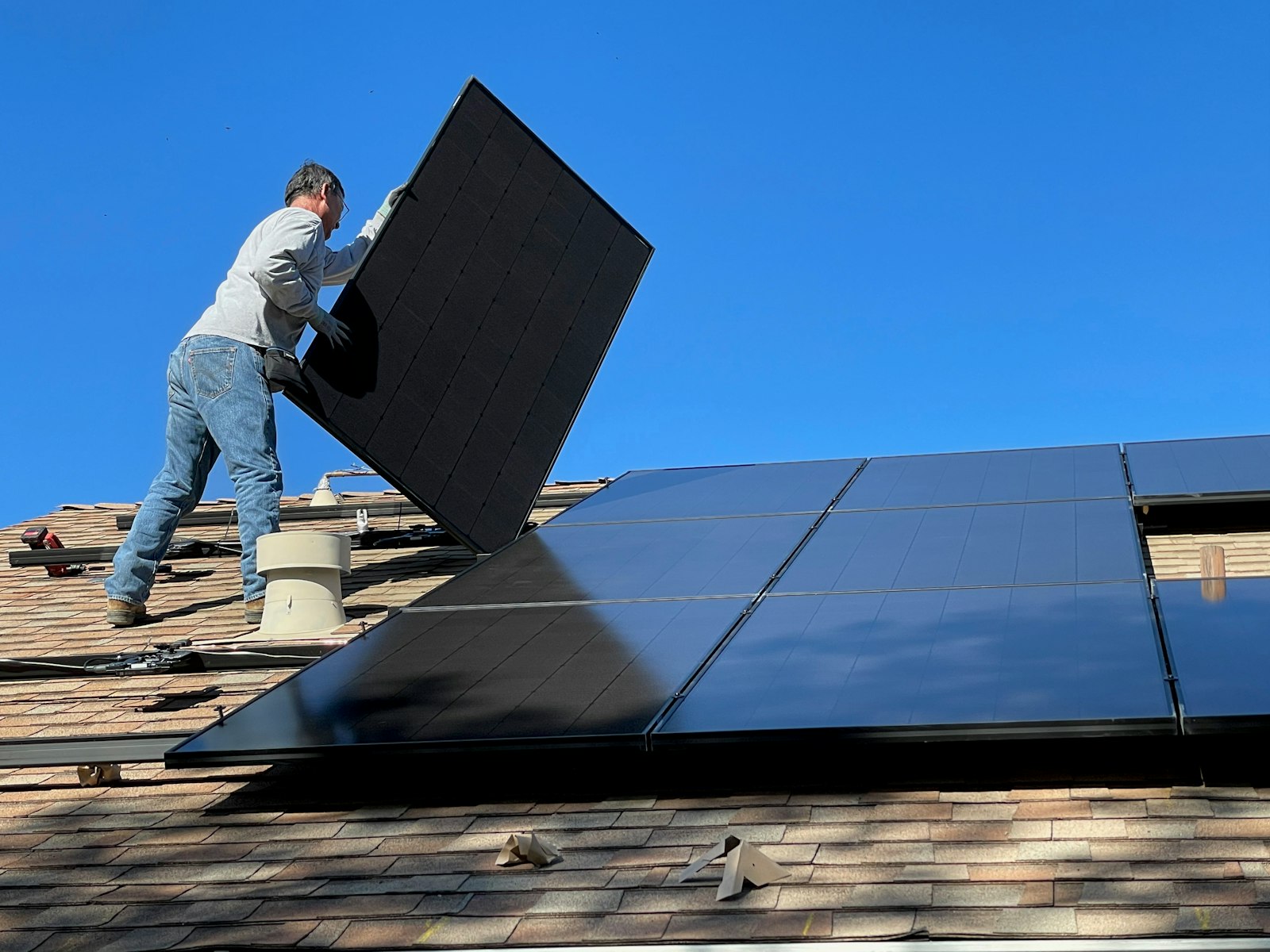
A home battery stores the solar power you do not use during the day so you can use it in the evening and overnight. Buy one that is too small and you still pay for grid power every night; buy one that is too big and the extra capacity sits empty while you pay for it.
Key takeaways
Size the battery to your overnight use, not your daily use.
Compare usable capacity, not the nominal figure on the box.
A battery that covers most nights is usually better value than one that covers every night.
Start with your overnight use
The number that decides battery size is how much electricity your home uses between sunset and sunrise. Solar covers the daytime; the battery carries you through the evening peak and the night. Your smart meter data or your retailer's app usually shows use in 30-minute intervals: add up the intervals from about 5 pm to 7 am on a typical day.
Tip Use at least a week of meter data, ideally one week in summer and one in winter. A single day can be misleading.
Usable versus nominal capacity
The capacity printed on the box is the nominal figure. What you can actually use each night is lower, for three reasons:
Depth of discharge: most batteries keep a reserve and never empty completely.
Round-trip losses: some energy is lost charging and discharging, typically around 10 percent.
Ageing: usable capacity slowly falls over the years.
Depth of discharge
A 10 kWh battery that allows 90 percent depth of discharge gives you 9 kWh before it stops. Check the usable figure on the data sheet rather than working it out yourself.
Round-trip losses
If you store 9 kWh of solar power, expect to get back roughly 8 kWh in the evening. Plan with that lower number.

A worked example
Here is the method for three example households, step by step:
Add up a week of evening and overnight use and divide by seven.
Find the usable capacity of each battery size on the data sheet.
Divide usable capacity by overnight use. Anything above 100 percent is capacity you rarely use.
Table 1. Battery size against overnight use
Household | Overnight use (kWh) | Usable battery that fits (kWh) |
|---|---|---|
Small flat | 4.5 | 5 |
Family home | 8 | 8 to 10 |
Large home with an electric car | 14 | 13.5 (two batteries) |
The family home is the sweet spot: a battery with about 9 kWh usable covers an average night. The large home would need two batteries to cover every night, and still runs short in winter.
Warning A battery alone does not keep your power on in a blackout. You need a system with backup capability, installed by a licensed electrician.
How the battery is used through the year
In summer there is plenty of spare solar power to fill the battery every day. In winter the panels produce less, so on many days the battery is only partly charged by sunset.
| kWh | United Kingdom | Australia |
|---|---|---|
| Jan | 3 | 9 |
| Feb | 4.5 | 9 |
| Mar | 6.5 | 8.5 |
| Apr | 8 | 7.5 |
| May | 9 | 6.5 |
| Jun | 9 | 6 |
| Jul | 9 | 6 |
| Aug | 8.5 | 7 |
| Sep | 7 | 8 |
| Oct | 5 | 8.5 |
| Nov | 3.5 | 9 |
| Dec | 2.5 | 9 |
Source: Illustrative example for a 9 kWh battery and 5 kW solar system
Note In the UK the battery is fullest in summer; in Australia the seasons are reversed. Size for a typical month, not the best one.
Frequently asked questions
Can I add a second battery later?
Often yes, if your inverter and battery model support it. Ask your installer before you buy, because some systems can only be extended within a few years of the first battery.
Does a bigger battery always save more?
No. Once the battery covers your overnight use, extra capacity only helps on the few nights you use more than usual, so each extra kWh saves less.